Cookie Consent in 2026

Its Impact on SEO, Analytics, and Advertising Performance
As digital privacy regulations continue to evolve, cookie consent has moved far beyond a legal requirement. In 2026, it plays a decisive role in how accurately websites measure performance, how effectively marketing campaigns are optimised, and how confidently businesses make data-driven decisions.
Many organisations experience declining conversion visibility, inconsistent analytics data, and underperforming advertising campaigns without realising that the root cause lies in an improperly configured cookie consent framework.
At Web Pundit, we consistently find that cookie consent mismanagement is one of the most overlooked yet impactful issues affecting website performance.
Cookie Consent: A Critical Layer of Modern Website Infrastructure
From a digital marketing perspective, cookie consent determines whether user data can be collected, processed, and analysed across analytics and advertising platforms. Tools such as Google Analytics 4, Google Ads, Meta Pixel, and LinkedIn Insight Tag depend on consent signals to function correctly.
When consent is denied or not captured properly, these tools either fail to collect data or operate in a restricted mode. This directly affects session tracking, conversion attribution, remarketing audience creation, and automated campaign optimisation.
Cookie consent, therefore, is not a standalone feature. It is a foundational component of a website’s data architecture.
How Cookie Consent Directly Affects Analytics Accuracy
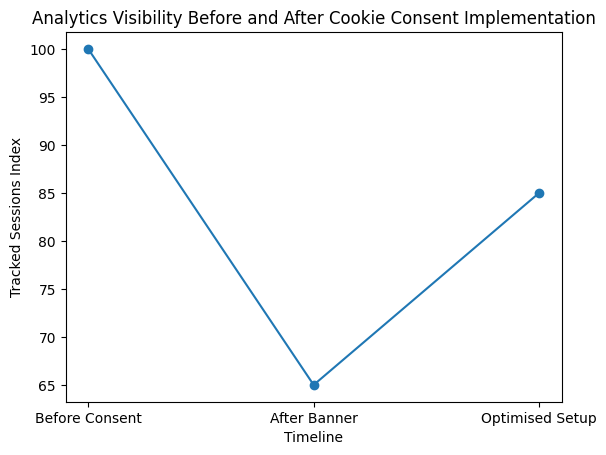
One of the most common consequences of introducing a cookie consent banner is a noticeable drop in reported traffic or conversions. This is often misinterpreted as a decline in user engagement or marketing effectiveness.
In practice, the issue is data loss rather than performance loss.
When analytics cookies are blocked until consent is provided, user interactions remain untracked for a portion of visitors. This is especially prevalent among first-time users and visitors from regions with stricter privacy regulations, such as the European Union and the United Kingdom.
As a result:
- Sessions are underreported
- Conversion funnels appear incomplete
- Attribution models become unreliable
Businesses continue to generate activity, but the ability to measure it accurately is compromised.
SEO Implications of Poor Cookie Consent Implementation
While cookie consent does not act as a direct ranking factor, its indirect impact on search engine optimisation is substantial-
User Experience and Engagement
Consent banners that interrupt content consumption or restrict navigation negatively affect user experience. Increased bounce rates and reduced dwell time send negative engagement signals to search engines.
Page Performance and Core Web Vitals
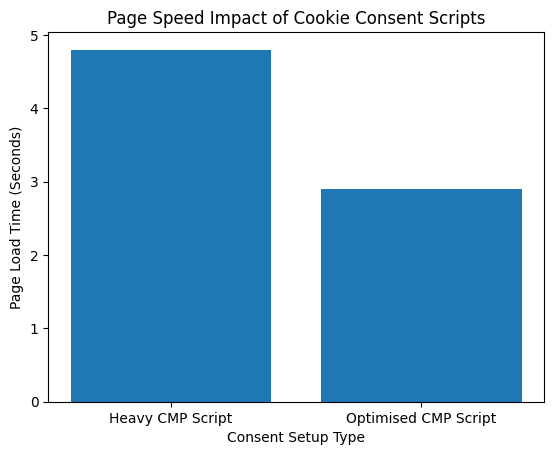
Unoptimised consent scripts can slow down page load times, affecting metrics such as Largest Contentful Paint and Interaction to Next Paint. These performance issues can reduce organic visibility over time.
Data-Driven SEO Decisions
Incomplete analytics data leads to inaccurate assessments of content performance, keyword engagement, and user behaviour. SEO strategies built on unreliable data are inherently flawed.
For businesses investing in long-term SEO growth, cookie consent must be implemented with performance considerations in mind.
Cookie Consent and Paid Advertising: Where Measurement Breaks Down
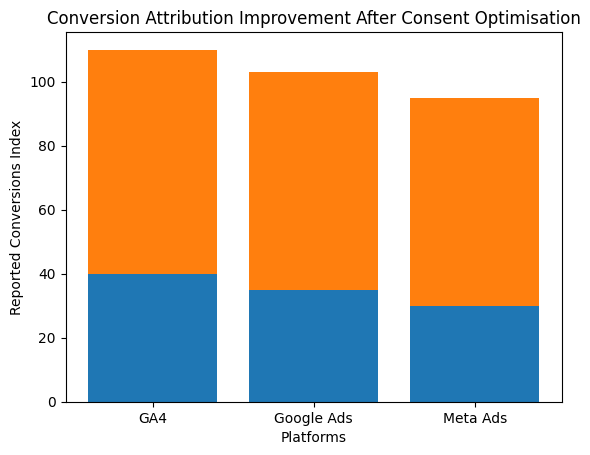
The most immediate and measurable impact of cookie consent misconfiguration is often seen in paid advertising campaigns.
When consent signals are missing or incorrectly handled:
- Conversion tracking becomes inconsistent
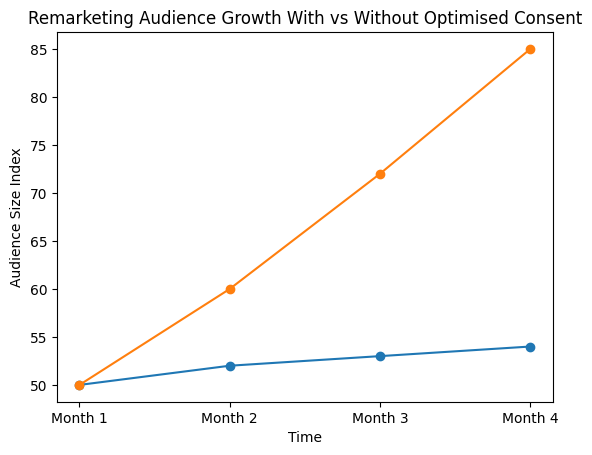
- Remarketing audiences fail to scale
- Automated bidding strategies lose efficiency
- Return on ad spend appears artificially low
With the introduction of frameworks such as Google Consent Mode v2, advertising platforms increasingly rely on consent signals to model conversions and optimise delivery. Without proper implementation, businesses may continue spending on ads while losing visibility into true performance.
In such cases, marketing budgets are affected not by poor campaign execution, but by poor measurement infrastructure.
Common Cookie Consent Issues Identified in Website Audits
Based on extensive audit experience, the following issues are frequently identified:
These issues typically occur when cookie consent is implemented independently of analytics and advertising strategy.
What an Effective Cookie Consent Setup Looks Like
A robust cookie consent framework aligns compliance requirements with business objectives. Key characteristics include:
- A reliable consent management platform suited to the business geography
- Region-specific consent handling
- Seamless integration with GA4, Google Tag Manager, and advertising platforms
- Performance-optimised scripts
- Accurate consent storage and retrieval mechanisms
Most importantly, consent management should be designed as part of the website’s analytics and tracking ecosystem, not layered on afterward.
Reframing Cookie Consent as a Growth Enabler
In 2026, cookie consent should be viewed as a strategic capability rather than a regulatory obligation. It influences how confidently businesses interpret data, optimise marketing investments, and scale digital initiatives.
When consent is handled correctly, businesses achieve:
- More reliable analytics data
- Improved ad attribution
- Better user experience
- Stronger trust with global audiences
What Businesses Should Do Next
Businesses should proactively evaluate their cookie consent and tracking setup by reviewing:
- Whether non-essential cookies fire only after consent
- Whether analytics data aligns with advertising platforms
- Whether remarketing audiences are growing consistently
- Whether consent tools affect page speed or usability
If these areas cannot be clearly validated, a professional audit is recommended.
How The Web Pundit Helps
The Web Pundit works with businesses to audit, implement, and optimise cookie consent frameworks that protect user privacy without compromising performance. Our approach ensures that analytics, SEO, and paid media tracking work together within a compliant and scalable structure.
If your website data does not reflect actual business performance, cookie consent is often the missing link.
👉 Book a Cookie Consent & Tracking Audit with The Web Pundit
👉 Ensure compliance without sacrificing growth insights

