Static vs Dynamic Websites: Key Business Differences
Confused between static and dynamic websites? Learn the key differences, costs, SEO impact, and how to choose the right website type for your business in 2026.

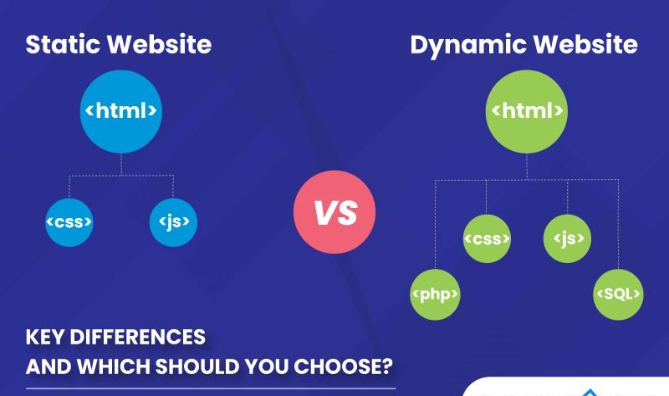
The difference between static and dynamic websites becomes clear when viewed through a business lens.
Static websites are faster to deploy and cheaper upfront, but they require manual effort for updates and scale poorly as content grows. Dynamic websites involve higher initial investment but offer long-term efficiency, flexibility, and scalability.
For businesses planning sustained growth, the post-launch phase matters far more than the build phase.
Cost Reality: Short-Term Savings vs Long-Term Value
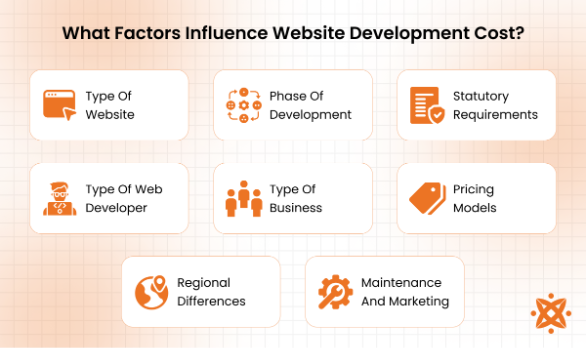
Static websites often appear attractive due to their low initial cost. However, this calculation rarely accounts for future expenses. Each content update, SEO change, or structural improvement requires developer involvement, which adds up over time.
Dynamic websites require a higher upfront investment but reduce ongoing friction. Marketing teams can publish content, update pages, and optimize performance without technical delays. Over a two- to three-year period, dynamic websites often prove more cost-effective for growing businesses.
SEO Considerations: Which Website Type Performs Better?
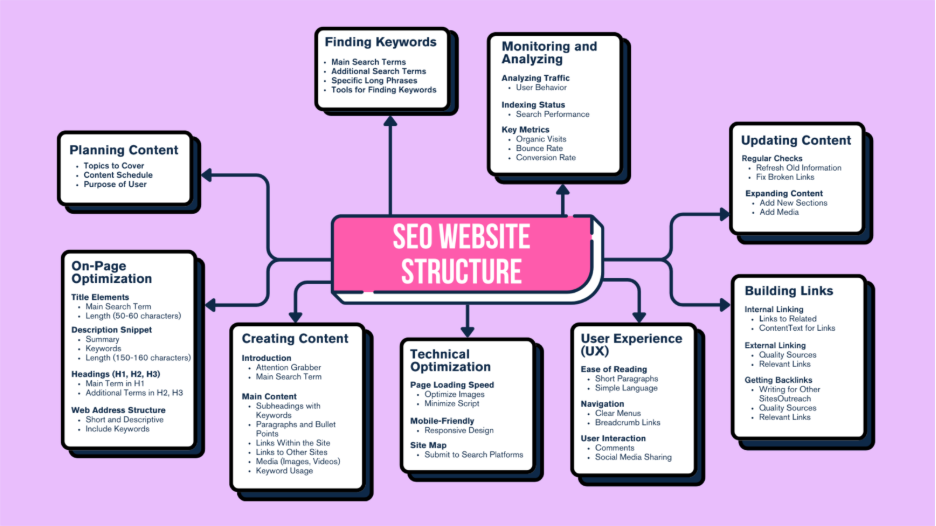
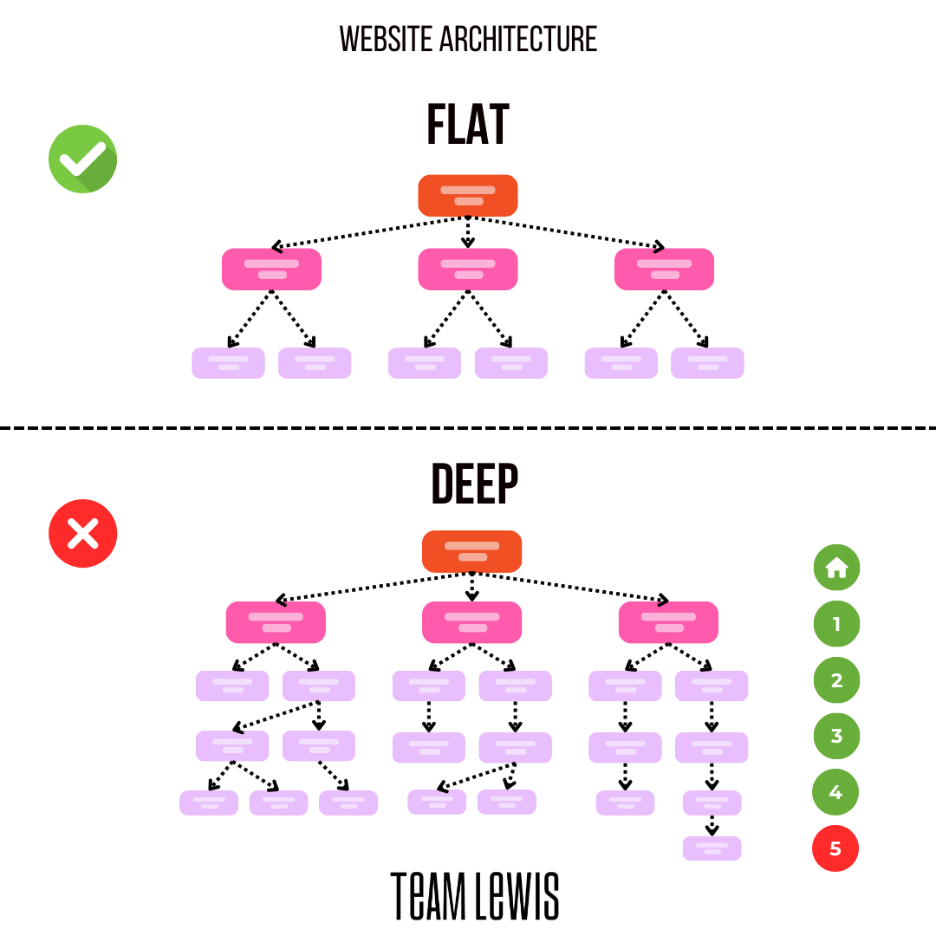
Search engine optimization is not only about rankings. It is about the ability to create, optimize, and update content consistently.
Static websites can rank well when content is minimal and stable. However, they struggle with content expansion, internal linking, and metadata management at scale.
Dynamic websites are inherently better suited for SEO-driven strategies. They support blogs, structured content hierarchies, automated metadata management, and frequent updates. For businesses investing in organic growth, dynamic websites provide a clear advantage.
Performance and Security: Myths and Realities
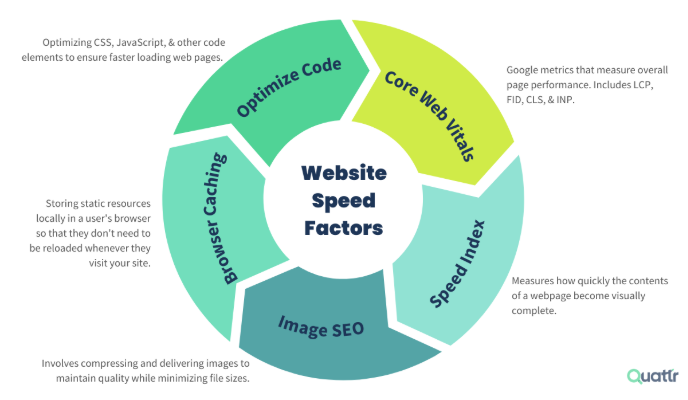
Static websites are often considered faster and more secure due to their simplicity. While this can be true, modern dynamic websites use caching, CDNs, and optimized hosting environments to achieve comparable performance.
Security is less about whether a website is static or dynamic and more about maintenance discipline. A well-maintained dynamic website is significantly safer than a neglected static one. Updates, monitoring, and hosting quality matter more than architecture alone.
Common Business Scenarios and the Right Choice

For early-stage startups testing ideas, static websites provide speed and cost efficiency. For service businesses planning content marketing, dynamic websites are essential. Brands with multiple offerings require flexible structures that only dynamic systems can support.
Businesses preparing for SEO, paid campaigns, and long-term brand building benefit from dynamic websites that enable experimentation and iteration without friction.
The Hybrid Model: Combining Static and Dynamic Approaches
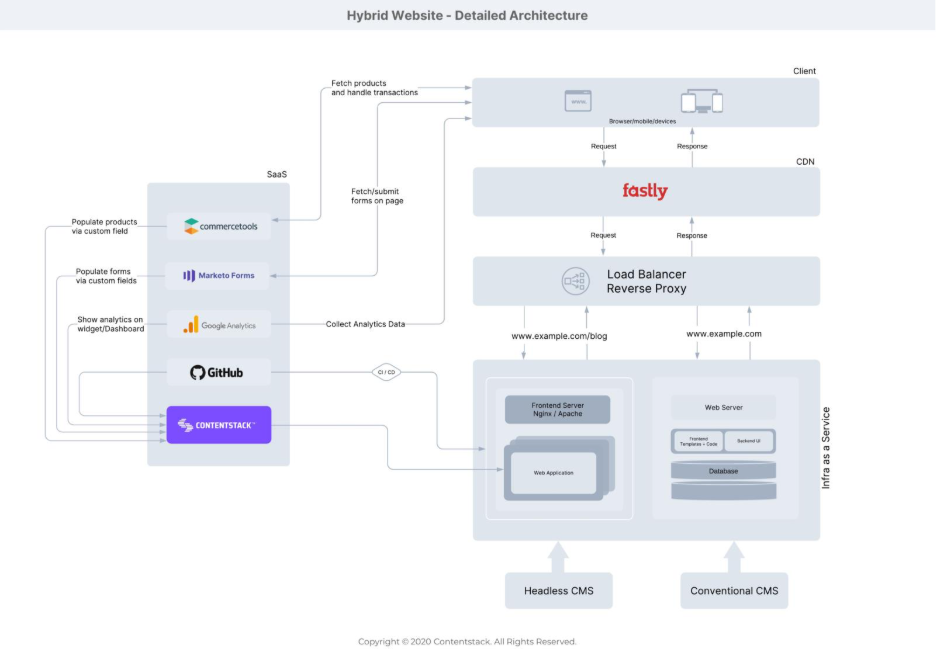
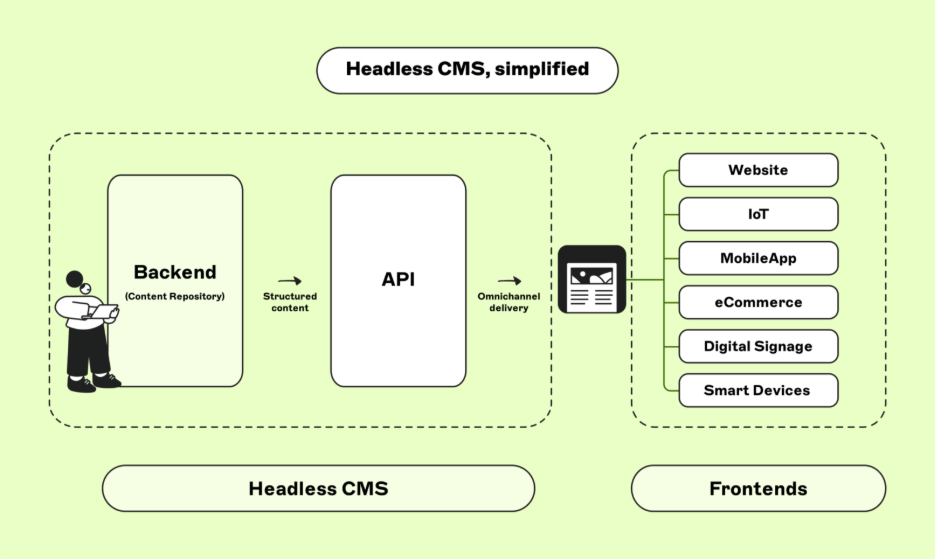
Modern development approaches allow businesses to combine static frontends with dynamic backends. This hybrid model delivers performance benefits while retaining flexibility.
Hybrid setups work best for performance-focused brands with technical resources. However, they require careful planning and are not always the right starting point for smaller teams.
How Web Pundit Helps Businesses Choose Correctly
At Web Pundit, website architecture decisions are aligned with business goals, not trends. Each project begins with understanding growth plans, content strategy, marketing objectives, and scalability requirements.
The objective is to build websites that support long-term momentum, reduce rebuild cycles, and empower teams rather than restrict them. The right website structure quietly supports every campaign, update, and business milestone.
Final Takeaway

The static versus dynamic website debate is not about technology superiority. It is about strategic alignment. Static websites are excellent for simplicity and speed when needs are limited. Dynamic websites enable growth, flexibility, and marketing efficiency when scale is the goal.
The right choice today prevents costly rebuilds tomorrow. Businesses that choose with clarity build digital foundations that grow with them instead of holding them back.
Choosing between a static and dynamic website is not a technical decision. It is a strategic one. The right choice depends on where your business is today and where you expect it to be six months or two years from now.
At Web Pundit, we help businesses move beyond surface-level comparisons and build websites that support real growth. From architecture planning and CMS selection to performance optimization and SEO-ready builds, our focus is on creating websites that scale without forcing costly rebuilds later.
If you are planning a new website, redesigning an existing one, or unsure whether your current setup is holding you back, a short strategic conversation can save months of rework.
Let’s talk about what your website needs to do next, not just how it should look.

