AI in SEO: What Businesses Must Know in 2026
Discover how AI in SEO is transforming search in 2026. Learn how AI overviews, content optimization, and predictive SEO impact your rankings—and what your business must do to stay ahead.
Search is no longer just about ranking on page one. In 2026, it is about earning visibility inside AI-generated answers, predictive results, and dynamic search experiences. The rules have shifted again, and this time, artificial intelligence is not just assisting SEO. It is reshaping it.
Businesses that understand AI in SEO as a strategic advantage will grow faster, rank smarter, and convert better. Those that treat it as a shortcut will struggle to stay visible.
Let’s break down what is actually happening, and what you must do about it.
What Does “AI in SEO” Really Mean?
When people hear AI and SEO in the same sentence, they often think about automated blog writing tools.
That is only a small fraction of the story.
AI in SEO refers to the integration of artificial intelligence into multiple layers of search engine optimization, including:
- Keyword research and clustering
- Search intent prediction
- Content optimization and semantic analysis
- Technical SEO audits
- SERP behavior tracking
- Internal linking recommendations
- Competitor performance modeling
Platforms such as ChatGPT, Semrush, Ahrefs, and Surfer SEO now integrate AI to analyze patterns that would take humans weeks to identify manually.
However, tools are not strategy.
AI can process data. It cannot define your brand positioning, understand your market nuance, or decide which opportunities align with your long-term business goals. That still requires expertise.
How AI Is Changing SEO in 2026
1. Search Is Becoming an Answer Engine


4
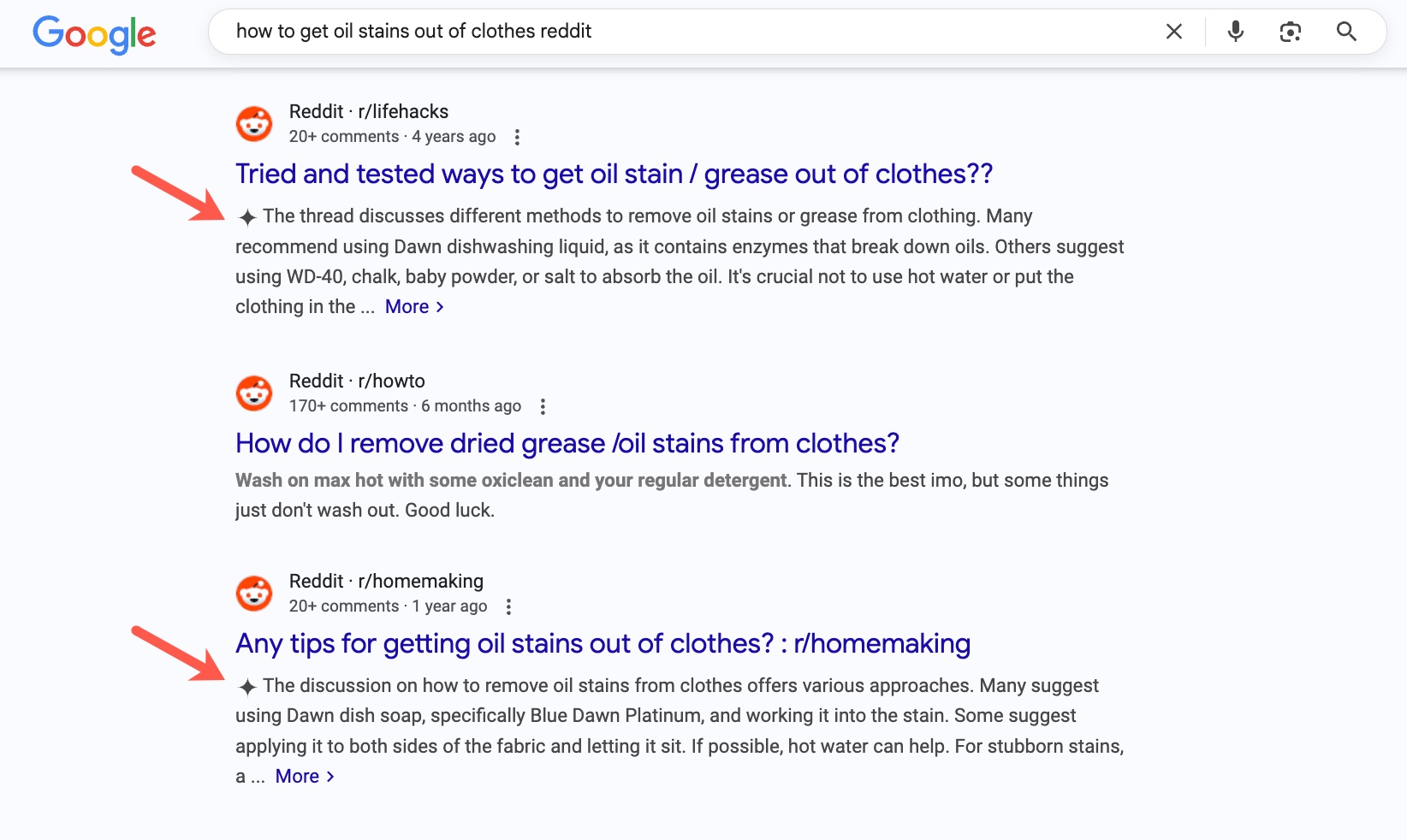
With the introduction of AI-driven search summaries and conversational responses by Google, users increasingly receive complete answers directly on the results page.
This has led to:
- Increased zero-click searches
- Higher competition for featured placements
- Reduced reliance on traditional blue links
For businesses, this means ranking is no longer enough. You must optimize for visibility inside AI-generated responses.
Content needs to be structured, authoritative, and clear enough for AI systems to extract and summarize accurately.
2. Content Volume No Longer Wins
There was a time when publishing consistently was enough.
In 2026, the internet is saturated with AI-generated content. Search engines have evolved to detect repetitive, shallow, and templated material.
Google’s ranking systems now prioritize:
- Experience
- Expertise
- Authority
- Trustworthiness
If your content lacks original insight, data, case studies, or expert perspective, it will struggle to compete.
AI content optimization tools can help refine structure and keyword placement, but real differentiation comes from unique value.
3. Predictive SEO Is Replacing Reactive SEO
Traditional SEO relied on historical data. You analyzed what was ranking and optimized accordingly.
AI-powered systems now predict search demand shifts before they peak.
Advanced AI SEO tools can:
- Identify emerging keyword trends
- Map topic clusters automatically
- Analyze user behavior patterns
- Suggest content gaps based on competitor weaknesses
This allows businesses to build authority before competitors even recognize the opportunity.
In practical terms, AI enables you to move from reacting to trends to anticipating them.
4. Smarter Technical SEO
Technical SEO has traditionally required manual audits and deep analysis.
AI now accelerates this process by:
- Detecting crawl inefficiencies
- Identifying schema opportunities
- Highlighting internal linking gaps
- Forecasting site performance impact
Instead of running static reports, AI systems continuously monitor site health and suggest improvements in real time.
However, implementation still requires experienced professionals who understand business impact, not just technical fixes.
5. Programmatic and Scalable SEO
AI has made programmatic SEO more accessible.
Businesses can now generate:
- Location-based landing pages
- Industry-specific service pages
- Dynamic product content
- Data-driven comparison pages
When structured correctly, this creates scalable visibility.
When executed poorly, it creates duplication and thin content penalties.
The difference lies in architecture, intent alignment, and value.
What Businesses Must Do in 2026
Understanding how AI is changing SEO is not enough. Action is what determines results.
Here is what businesses must prioritize:
1. Build Topical Authority, Not Random Traffic
AI rewards depth.
Instead of publishing disconnected blogs, build comprehensive topic clusters around your core services. Create pillar pages supported by detailed subtopics that demonstrate expertise.
Topical authority signals long-term credibility.
2. Optimize for AI Overviews
Structure your content for extraction:
- Use clear headings
- Provide direct answers
- Include structured data
- Add statistics and factual clarity
- Use concise summaries within sections
AI systems prefer clarity and structure over fluff.
3. Combine AI With Human Insight
Use AI for:
- Data analysis
- Keyword grouping
- SERP tracking
- Optimization suggestions
Rely on humans for:
- Strategic direction
- Brand storytelling
- Market positioning
- Conversion-focused messaging
AI can support performance. It cannot replace business intelligence.
4. Invest in Technical Foundations
Without:
- Clean site architecture
- Fast loading speeds
- Mobile responsiveness
- Proper schema markup
- Secure hosting
Even the best AI-driven content will underperform.
SEO in 2026 is holistic. Content, technical, and user experience are deeply interconnected.
5. Prioritize Conversion, Not Just Traffic
AI has increased competition.
If your website attracts visitors but fails to convert them, rankings alone will not sustain growth.
Every SEO effort should connect to:
- Clear calls to action
- Intent-matched landing pages
- Trust-building elements
- Social proof and case studies
Traffic without conversion is wasted opportunity.
The Risks of Over-Relying on AI
While AI in SEO offers immense benefits, it also introduces risks:
- Automated content duplication
- Generic brand voice
- Inaccurate factual outputs
- Over-optimization patterns
- Reduced differentiation
Businesses that automate blindly often see short-term gains followed by algorithmic drops.
Sustainable SEO requires balance.
The Future of SEO Beyond 2026
Search is moving toward:
- Voice-first interactions
- Personalized AI-driven results
- Visual and multimodal search
- Real-time query refinement
Users expect immediate, contextual answers tailored to their intent.
This means businesses must think beyond keywords and focus on comprehensive digital presence.
SEO is no longer just a marketing channel. It is a strategic growth engine.
Final Thoughts: AI Will Not Replace SEO Professionals
AI in SEO is powerful. It accelerates research, sharpens insights, and improves execution efficiency.
But strategy, creativity, and judgment remain human strengths.
The businesses that will win in 2026 are not those using the most tools. They are the ones using AI intentionally — as leverage, not as a shortcut.
If your SEO strategy is still built on outdated tactics or inconsistent publishing, this is the year to evolve.
Search has changed.
The question is, has your strategy?
