How to Reduce Website Bounce Rate (With Real Fixes That Work)
Learn how to reduce website bounce rate with proven strategies that improve engagement, speed, UX, and conversions. Discover real fixes that drive measurable results.

A visitor lands on your website. Within seconds, they leave. No click. No scroll. No interaction. That single action increases your website bounce rate. And if it keeps happening, your marketing budget quietly burns without delivering returns. Bounce rate is not just a number in analytics. It is a signal. It tells you whether your website meets expectations, matches intent, and delivers value fast enough. In this guide, we will break down how to reduce website bounce rate using practical, proven fixes — not generic advice.
What Is Website Bounce Rate?
Bounce rate refers to the percentage of visitors who land on a page and leave without taking any further action, such as clicking to another page, submitting a form, or interacting with content.
In tools like Google Analytics, bounce rate historically represented single-page sessions. In newer analytics models, engagement metrics have evolved, but bounce rate still provides meaningful insight into user behavior.
A high website bounce rate does not automatically mean failure. For example:
- A blog post that answers a question clearly may have a high bounce rate but still satisfy the user.
- A contact page may naturally have lower bounce if users navigate further.
Context matters. However, when critical landing pages show high bounce rates alongside low conversions, that is a problem.
Why Bounce Rate Matters for Business
Reducing bounce rate is not about vanity metrics. It impacts:
- Conversion rates
- Lead generation
- Ad performance
- Search engine signals
- Brand perception
When visitors leave immediately, it often means:
- The page did not match their intent.
- It loaded too slowly.
- It looked untrustworthy.
- It was difficult to navigate.
- It failed to communicate value quickly.
Your website has seconds to convince someone to stay.
What Is a “Good” Bounce Rate?
There is no universal benchmark. It varies by industry and page type.
General ranges:
- Blogs: 60%–80%
- Service pages: 30%–55%
- Ecommerce product pages: 20%–45%
Instead of obsessing over averages, focus on trends. If your bounce rate is increasing month over month, something is breaking in the experience.
Real Fixes That Actually Reduce Website Bounce Rate
Let us move beyond theory.
These are actionable strategies that work when implemented correctly.
1. Improve Page Load Speed

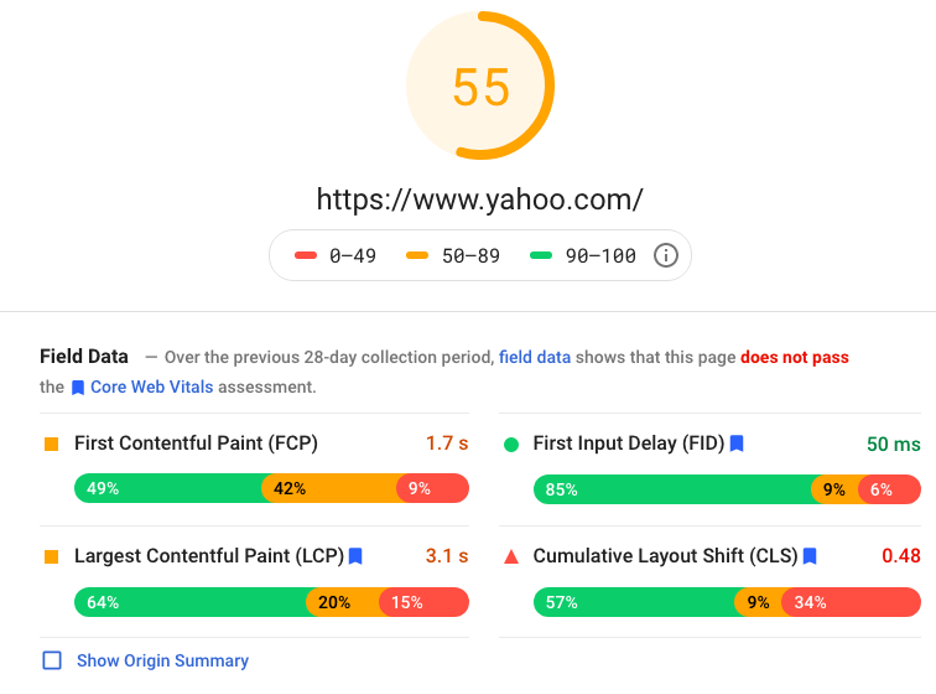

4
Speed is the first impression.
If your page takes more than three seconds to load, a significant percentage of users will leave before seeing your content. Tools like Google PageSpeed Insights and GTmetrix can help identify performance bottlenecks.
Common speed issues include:
- Uncompressed images
- Excessive scripts
- Poor hosting
- Unoptimized code
- No caching strategy
Reducing load time alone can dramatically lower bounce rate.
Speed is not technical decoration. It is user experience.
2. Match Search Intent Precisely
One of the most overlooked causes of high bounce rate is intent mismatch. If someone searches for “affordable website redesign services” and lands on a generic homepage, they will likely leave.
Every landing page must:
- Address the exact query
- Provide immediate clarity
- Reinforce relevance in the headline
- Offer clear next steps
The first section of your page should confirm to visitors: “You are in the right place.”
If that reassurance is missing, bounce rate increases.
3. Strengthen Above-the-Fold Messaging
Users decide within seconds whether to continue scrolling.
Your hero section must include:
- A clear value proposition
- A concise explanation
- A visible call to action
- Visual credibility elements
Avoid vague headlines such as “Welcome to Our Website.” Instead, communicate outcome-driven messaging.
Clarity reduces bounce.
Confusion increases it.
4. Improve Visual Hierarchy and Readability
Long paragraphs, cluttered layouts, and inconsistent typography create friction.
To reduce website bounce rate:
- Use clear headings
- Break content into short sections
- Add bullet points
- Maintain whitespace
- Ensure mobile readability
Visitors scan before they read.
If your page feels overwhelming, they leave.
5. Optimize for Mobile Experience
More than half of website traffic comes from mobile devices.
If your mobile version has:
- Slow loading speed
- Misaligned elements
- Tiny text
- Difficult navigation
Bounce rate will spike.
Mobile optimization is not optional in 2026. It is foundational.
6. Add Internal Linking Strategically
Internal links encourage deeper navigation.
Instead of letting users exit after one page, guide them toward:
- Related blogs
- Case studies
- Service pages
- FAQs
Contextual linking reduces bounce and increases session duration naturally.
However, links must feel helpful, not forced.
7. Build Trust Immediately
Trust reduces hesitation.
Add:
- Testimonials
- Case studies
- Certifications
- Recognizable client logos
- Security badges
Visitors subconsciously assess credibility. If your site looks outdated or lacks proof, they leave.
Bounce rate often reflects trust gaps.
8. Improve Content Depth and Value
Thin content leads to quick exits.
Instead of surface-level information, provide:
- Data
- Examples
- Clear frameworks
- Practical advice
- Real-world insights
When visitors feel they are gaining genuine value, they stay longer.
Depth drives engagement.
9. Use Clear and Compelling Calls to Action
A page without direction increases bounce.
Each page should answer:
What should the visitor do next?
Options may include:
- Schedule a consultation
- Download a guide
- Explore services
- Read related resources
Calls to action should be visible, persuasive, and aligned with user intent.
10. Analyze User Behavior Data
Reducing bounce rate requires analysis, not assumptions.
Tools like Hotjar and Microsoft Clarity provide heatmaps and session recordings.
These tools reveal:
- Where users stop scrolling
- What they ignore
- Where they hesitate
- What elements distract them
Data removes guesswork.
Common Causes of High Bounce Rate
Understanding causes helps you prioritize fixes.
Frequent issues include:
- Slow loading pages
- Misleading ad campaigns
- Poor targeting
- Technical errors
- Pop-up overload
- Auto-play videos
- Irrelevant traffic
Sometimes, marketing campaigns drive unqualified traffic. In such cases, bounce rate reflects targeting problems rather than website design flaws.
SEO, paid ads, and landing pages must align.
Bounce Rate vs Engagement Rate
With modern analytics platforms, bounce rate is sometimes replaced or complemented by engagement rate.
While bounce rate measures single-page sessions, engagement rate focuses on active interactions.
Do not obsess over one metric. Look at:
- Time on page
- Scroll depth
- Conversion rate
- Pages per session
Bounce rate is a signal — not the full story.
A Practical Bounce Rate Optimization Framework
If you want a structured approach, follow this sequence:
- Audit page speed.
- Analyze traffic sources.
- Identify high-bounce pages.
- Evaluate intent alignment.
- Improve above-the-fold clarity.
- Add internal linking.
- Strengthen trust elements.
- Test changes and measure results.
Optimization is iterative.
Small improvements compound.
When High Bounce Rate Is Not a Problem
It is important to stay realistic.
A blog post answering a single question may satisfy users immediately. That is not failure.
A bounce becomes problematic when:
- Conversions are low
- Paid campaigns underperform
- Engagement metrics decline
- Revenue stagnates
Always evaluate bounce rate within context.
Final Thoughts: Reducing Bounce Rate Is About Respecting Attention
Users do not owe your website time. You must earn it. Every second a visitor spends on your website reflects clarity, relevance, speed, and trust. If your bounce rate is high, do not look for shortcuts. Look for friction. Fix the friction. Improve the experience. Align intent with value. That is how you reduce website bounce rate sustainably — not temporarily. If your website feels stagnant or underperforms despite traffic, it may not be a traffic problem. It may be an experience problem. And experience is what converts.
.
